
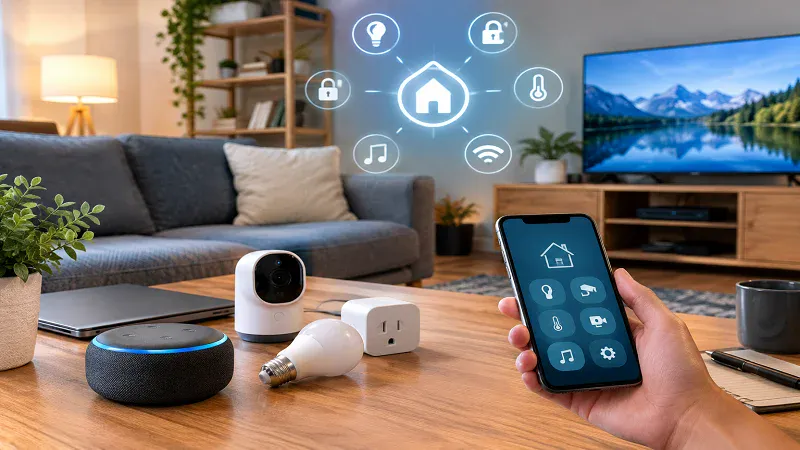
Technology continues to change the way people manage their homes, organize everyday tasks, and enjoy modern living. From smart lighting and connected appliances to home security systems and energy-saving devices, digital solutions can make residential spaces more comfortable and efficient. The keyword tech thehometrotters .com reflects an interest in exploring technology through the perspective of modern homes and practical lifestyle improvements.
Understanding home technology does not require advanced technical knowledge. Homeowners can begin with simple upgrades, compare available devices, and gradually build a connected living environment that suits their needs. This guide explores useful home technology ideas, their benefits, common challenges, and practical ways to choose the right solutions.
What Is Home Technology?
Home technology includes digital devices, electronic systems, and automated tools that help people manage their living spaces. These solutions range from basic programmable thermostats to advanced smart home systems that connect multiple appliances.
Modern technology allows homeowners to control certain devices through mobile applications, voice commands, wireless networks, or automatic schedules. For example, a smart bulb can turn on at a specific time, while a compatible thermostat can adjust indoor temperatures according to a programmed routine.
The purpose of these innovations is not simply to add more gadgets to a home. Good technology should solve everyday problems, improve convenience, and provide practical value.
Why Smart Home Technology Matters
Technology can improve several aspects of residential living when homeowners select devices carefully.
1. Greater Convenience
Smart devices can simplify routine activities. Homeowners may control lighting, adjust heating, or manage compatible appliances without operating every device manually.
Consider a family that regularly leaves home early in the morning. A scheduled lighting system can switch off selected lights automatically, reducing the need to check every room before leaving.
2. Improved Energy Management
Energy-efficient devices can help households monitor and manage electricity consumption. Smart thermostats, programmable lighting, and energy-monitoring plugs provide different ways to understand how and when a home uses power.
However, savings depend on household habits, device efficiency, electricity prices, and installation quality. Homeowners should compare expected benefits with the purchase and operating costs before investing.
3. Better Home Security
Modern security technology includes video doorbells, motion sensors, smart locks, and connected cameras. Depending on the model, these devices can provide alerts, recorded footage, or remote access to selected functions.
These tools can support household security, but they cannot guarantee complete protection. Strong passwords, secure installation, appropriate camera placement, and regular software updates remain important.
Popular Technologies for Modern Homes
Different devices serve different purposes. Choosing the right combination depends on the size of the property, daily routines, budget, and existing equipment.
Smart Lighting Systems
Smart lighting allows users to control compatible bulbs and switches through applications, schedules, or voice assistants. Some products also offer adjustable brightness and color temperature.
Homeowners can use brighter lighting in work areas and softer illumination in bedrooms or living rooms. Motion sensors can also help manage lighting in hallways and other frequently used spaces.
Before purchasing smart bulbs, check their compatibility with existing fittings, wireless networks, and control systems.
Smart Thermostats
Smart thermostats help manage heating and, where supported, cooling systems. Certain models learn usage patterns, follow schedules, or allow remote adjustments.
These features may improve comfort and reduce unnecessary energy use. Nevertheless, compatibility is essential. A homeowner should confirm that a thermostat supports the property’s heating or cooling equipment before buying it.
Connected Kitchen Appliances
Modern kitchens increasingly feature appliances with digital controls and connected functions. Depending on the product, users may receive maintenance notifications, monitor operating status, or access additional settings through an application.
Technology should complement essential appliance features rather than replace them. Capacity, durability, cleaning requirements, energy efficiency, and warranty coverage remain important purchasing considerations.
Smart Locks and Video Doorbells
Smart locks offer convenient access options, including digital codes or application-based controls on supported models. Video doorbells can help residents see visitors and receive notifications when someone approaches the entrance.
When selecting these products, review backup access methods, battery life, installation requirements, and security settings. A reliable alternative entry method is particularly important if a connected lock loses power or experiences a technical problem.
How Tech Thehometrotters .com Can Inform Your Home Technology Research
People searching for tech thehometrotters .com may be interested in technology-related home advice, smart devices, and practical ideas for improving everyday living.
When researching a website or online resource about home technology, readers should evaluate the information carefully. Look for clear explanations, realistic recommendations, compatibility details, and guidance that helps readers make informed decisions.
Useful technology content should explain how a product works, which household problems it addresses, and what limitations buyers should consider. Readers should also compare recommendations with manufacturer documentation and independent product reviews.
If a website discusses smart home trends, check whether its information reflects current products and software. Device specifications, supported platforms, subscription requirements, and security features can change over time. Verify these details before making purchasing decisions.
Practical Tips for Building a Smart Home
A connected home does not need to include expensive equipment in every room. A gradual approach can help homeowners avoid unnecessary purchases.
Start With One Clear Need
Identify a specific problem before buying a device. You might want to improve nighttime lighting, monitor electricity consumption, or receive alerts when someone rings the doorbell.
A clear objective makes it easier to compare products and determine whether an upgrade provides meaningful value.
Check Compatibility Before Buying
Not every smart device works with every application, wireless network, or voice assistant. Some products require a separate hub, while others depend on particular network frequencies or subscription services.
Read the technical specifications and confirm that the device supports your existing equipment. This step can prevent frustrating setup problems.
Protect Your Digital Privacy
Connected devices may collect information about usage patterns, household activity, or account settings. Review privacy policies and understand which information a product collects.
Use unique passwords, enable multifactor authentication when available, install software updates, and secure your home router. Disable unnecessary features if they create privacy concerns.
Compare Long-Term Costs
The initial purchase price does not always represent the total cost of ownership. Some devices require paid subscriptions, replacement batteries, professional installation, or additional accessories.
Compare these expenses with the practical benefits. A simple programmable device may offer better value than a more expensive connected alternative for households that do not need remote control.
Common Challenges With Home Technology
Although smart home products offer useful features, they can introduce new complications.
Connectivity problems: Weak wireless signals can interrupt communication between devices. Positioning the router appropriately or improving network coverage may help.
Compatibility limitations: Products from different manufacturers may not work together seamlessly. Check supported platforms and standards before creating a multi-device system.
Privacy and security risks: Poor account security or outdated software can expose connected devices to avoidable risks. Regular updates and careful configuration help reduce these concerns.
Technical complexity: Some systems require setup, troubleshooting, and occasional maintenance. Beginners should consider devices with clear instructions, dependable support, and straightforward controls.
Planning for these challenges helps homeowners choose technology they can maintain comfortably.
Future Trends in Home Technology
Home technology continues to develop as manufacturers improve connectivity, automation, energy monitoring, and user controls.
Artificial intelligence may help compatible systems recognize routines and suggest adjustments. Improved energy-management tools may also help households understand consumption more clearly. Meanwhile, broader device compatibility can make it easier to connect products from different manufacturers.
However, new features do not automatically make a device worthwhile. Homeowners should prioritize reliability, privacy, repairability, and long-term support rather than purchasing products simply because they are new.
The most useful technology will be the technology that fits naturally into everyday life.
Conclusion
Home technology can make everyday routines more convenient, support energy management, and provide additional security features. Smart lighting, thermostats, connected appliances, and digital entry systems each offer different benefits, but their value depends on compatibility, reliability, and household requirements.
Anyone researching tech thehometrotters .com should focus on practical information, carefully compare products, and verify technical claims before spending money. By starting with clear goals, protecting digital privacy, and evaluating long-term costs, homeowners can build a useful and comfortable smart home without unnecessary complexity.