
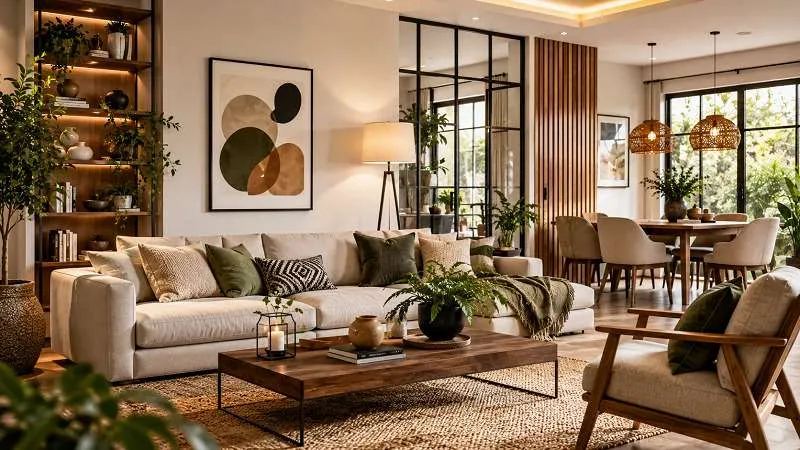
Many homeowners want to create a living space that is attractive, comfortable, and practical. Whether you want to refresh a single room, redesign your entire house, or improve your outdoor space, the right ideas can make every project easier. PushYourDesign Com is a keyword associated with home improvement, interior design, furniture inspiration, and creative decorating ideas that help people transform their living spaces.
A well-designed home should reflect your personality while meeting your everyday needs. Selecting the right furniture and color schemes can enhance your home’s style and comfort. With careful planning, even minor updates can make a significant impact without exceeding your budget.
This guide explores practical home design strategies, decorating inspiration, renovation advice, and furniture ideas to help you create a welcoming living environment.
1. Discover Creative Interior Design Ideas for Every Room
Interior design helps transform a house into a welcoming home. Combining suitable colors, lighting, furniture, and decorative elements creates a harmonious and comfortable living environment. Before beginning a project, consider how each room will be used and which features matter most to your household.
For example, a living room may require comfortable seating and flexible space for entertaining guests. A bedroom should support relaxation, while a kitchen needs practical storage and efficient movement.
Start by choosing a simple design theme. Modern, traditional, minimalist, and rustic styles each offer different possibilities. Select one that suits your preferences and maintain a consistent appearance throughout your home.
You can also introduce decorative elements gradually. New curtains, attractive cushions, indoor plants, and wall art can improve a room without requiring a complete renovation.
2. Improve Your Home with Practical Renovation Tips
Home improvement projects can increase comfort, improve functionality, and help maintain a property’s condition. However, successful renovations require careful planning before work begins.
First, identify the areas that need attention. Common priorities include damaged flooring, outdated lighting, insufficient storage, worn paint, and inefficient fixtures. Addressing essential repairs before cosmetic improvements can help prevent future problems.
Next, establish a realistic budget. Calculate the expected costs of materials, labor, tools, and unexpected expenses. Comparing different suppliers and obtaining several professional quotes can help you make informed decisions.
Small projects are often suitable for a weekend schedule, while major electrical, plumbing, and structural work may require qualified professionals.
Readers exploring PushYourDesign Com can use this topic as inspiration for understanding how practical upgrades and thoughtful design decisions work together to improve a home.
3. Choose the Right Furniture for Comfort and Style
Furniture affects both the appearance and functionality of an interior. Selecting pieces that match your available space can make rooms feel organized, comfortable, and visually appealing.
Before purchasing furniture, measure the room carefully. Consider doorways, walking paths, windows, and existing fixtures. Large furniture may overwhelm a small room, while undersized pieces can make a spacious area feel unfinished.
Choose materials according to your lifestyle. Households with kids or pets may benefit from choosing durable fabrics that are easy to clean. Solid wood furniture can offer lasting appeal, while metal and glass pieces can complement contemporary interiors.
Multifunctional furniture is another useful option. Beds with built-in storage, expandable dining tables, nesting tables, and small desks make the most of limited space.
Rather than buying every item at once, invest in essential pieces first. You can introduce decorative furniture and accessories later as your budget allows.
4. Transform Your Living Space with Affordable Home Decor
Decorating does not always require expensive purchases. Simple improvements can create a fresh atmosphere while keeping spending under control.
Begin with your color palette. Soft neutral colors, including white, beige, and light gray, create a versatile base for any interior. You can introduce stronger colors through cushions, artwork, rugs, or decorative accessories.
Lighting is equally important. Combine natural daylight with suitable ceiling lights, table lamps, and task lighting. Warm lighting can create a relaxing atmosphere, while brighter task lights are useful for reading, cooking, and working.
Indoor plants can add natural color and texture. Choose varieties that suit your available sunlight and maintenance routine.
Wall decorations also offer an easy way to personalize a room. Family photographs, framed artwork, mirrors, and carefully arranged shelves can make empty walls more interesting.
The key is balance. Keep surfaces simple by limiting decorative accessories and leaving enough open space for a neat, organized look.
5. Make Small Rooms Feel Larger and More Organized
With thoughtful planning, small rooms can feel stylish and comfortable while making the best use of available space.
Choose furniture with a compact design and avoid blocking windows or natural walking paths. Furniture with visible legs can make a room feel more open, while wall-mounted shelves add storage without taking up floor space.
Mirrors reflect natural light and make spaces feel more open, while light-colored walls brighten rooms when paired with proper lighting.
Organization is essential for maintaining a spacious atmosphere. Use baskets, drawer dividers, storage boxes, and vertical shelving to keep everyday belongings organized.
Consider removing items that no longer serve a purpose. A clean, organized room feels more peaceful and is easier to maintain than a space crowded with unnecessary furniture.
6. Create a Beautiful and Functional Outdoor Space
Outdoor areas deserve the same attention as indoor rooms. Gardens, patios, balconies, and small yards can become useful extensions of your living space with a few thoughtful improvements.
Start by identifying how you want to use the area. You might create a quiet reading corner, an outdoor dining space, a small vegetable garden, or a comfortable place to entertain visitors.
Choose weather-resistant furniture and materials appropriate for your local climate. Outdoor cushions, planters, solar lights, and decorative pathways can add character without requiring extensive construction.
If space is limited, vertical gardening offers an effective solution. Wall planters and hanging containers allow you to grow flowers or herbs while preserving floor space.
Regular maintenance also matters. Clean outdoor furniture, inspect pathways, remove weeds, and check drainage to keep the area safe and attractive throughout the year.
7. Use Sustainable Ideas to Improve Your Home
Eco-friendly home design aims to minimize waste, enhance energy efficiency, and use durable materials for lasting benefits.
One simple approach is to repair or reuse existing furniture instead of replacing it immediately. Repainting a cabinet, refinishing a table, or changing outdated handles can give familiar items a new appearance.
Energy-efficient lighting can reduce electricity consumption, while sealing unwanted drafts may improve indoor comfort. Curtains and blinds help control sunlight and indoor temperatures according to seasonal changes and local weather conditions.
When buying new products, consider durability, maintenance needs, and the manufacturer’s material information. Products that last longer may provide better value than inexpensive alternatives that require frequent replacement.
Sustainable design does not mean sacrificing style. Natural textures, reclaimed wood, durable furniture, and carefully selected accessories can create attractive interiors while encouraging more thoughtful consumption.
8. Plan Your Next Home Design Project Successfully
Every successful home improvement project begins with a clear plan. Define your goals, research suitable options, and determine how much time and money you can realistically invest.
Identify your main goals and break big projects into smaller, easier tasks. For example, a bedroom makeover might begin with decluttering, followed by painting, furniture arrangement, lighting improvements, and decorative finishing touches.
Collect inspiration from design articles, photographs, and home improvement guides. However, adapt ideas to your own space instead of copying every detail. Your room dimensions, daily routine, climate, and budget should guide your final decisions.
As you explore PushYourDesign Com, focus on practical solutions that combine creativity with functionality. A beautiful design should not only look attractive in photographs but also work well in everyday life.
Check your progress frequently and make changes whenever needed. Keeping track of expenses and completed tasks can help you stay organized and avoid unnecessary purchases.
Conclusion
Improving your home is an ongoing process that combines creativity, planning, and practical decision-making. From selecting comfortable furniture to refreshing interior colors and organizing outdoor spaces, small changes can produce meaningful results.
PushYourDesign Com represents a useful topic for readers interested in home improvement, interior design, furniture selection, and affordable decorating inspiration. By focusing on functionality, personal style, and long-term value, homeowners can create spaces that feel comfortable and reflect their individual preferences.
You do not need to complete every project at once. Start with one room, identify the improvements that matter most, and make steady progress toward a home that looks attractive, feels welcoming, and supports your everyday lifestyle.