
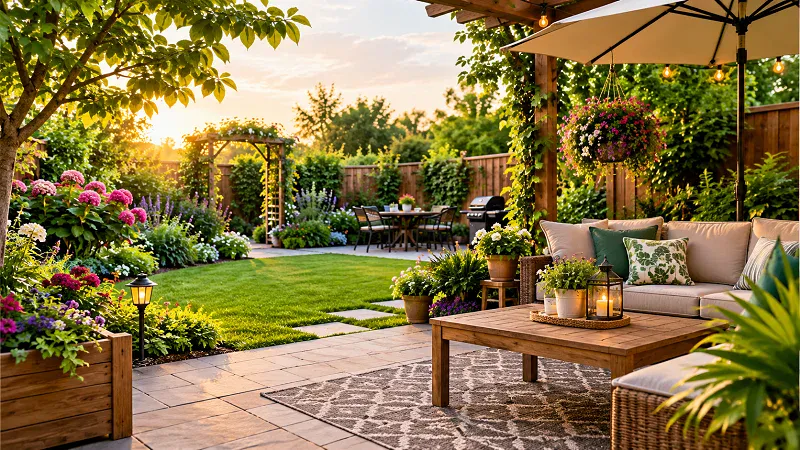
Creating a beautiful outdoor space requires thoughtful planning, suitable furniture, and a little creativity. Whether you have a spacious garden, a small patio, or a simple backyard, the right ideas can make your outdoor area more comfortable and attractive. Robert MyGardenAndPatio is a keyword associated with garden inspiration, patio improvements, outdoor furniture, and practical landscaping ideas.
Many homeowners want to transform their outdoor spaces into relaxing environments where they can enjoy fresh air, spend time with family, or entertain guests. However, choosing suitable materials, arranging furniture, and maintaining plants can sometimes feel challenging. Understanding the basics of outdoor design makes these decisions easier.
This guide explores useful garden and patio ideas, furniture choices, decoration techniques, and maintenance practices that can help homeowners create welcoming outdoor environments.
Understanding Robert MyGardenAndPatio
When exploring Robert MyGardenAndPatio, readers may be interested in practical approaches to improving gardens and patios. The subject naturally connects with outdoor living, landscaping inspiration, garden furniture, and home improvement.
A successful outdoor space should balance appearance and functionality. Beautiful decorations are important, but homeowners should also consider comfort, available space, weather conditions, and maintenance requirements.
For example, a small patio may benefit from folding chairs, compact tables, and decorative planters. A larger garden might accommodate outdoor dining furniture, walking paths, flower beds, and a dedicated relaxation area.
The best design depends on personal preferences and how homeowners intend to use their outdoor spaces.
Planning a Functional Garden and Patio
Good planning helps prevent unnecessary expenses and makes outdoor improvements more manageable.
Measure Your Available Space
Before purchasing furniture or landscaping materials, measure your garden or patio. Understanding the available dimensions helps you select suitable items without making the area feel crowded.
Consider the following points:
- Measure the total outdoor area.
- Identify entrances and walking pathways.
- Check areas that receive direct sunlight.
- Locate existing trees, plants, and garden structures.
- Leave enough room for comfortable movement.
A simple layout drawing can help you organize different sections before starting the project.
Decide How You Will Use the Area
Think about your everyday activities before selecting a design. Some homeowners prefer peaceful reading corners, while others need outdoor dining spaces or family entertainment areas.
You can divide your garden into practical zones, such as a seating corner, planting section, dining space, or children’s play area.
This approach creates a more organized environment and helps every part of the garden serve a useful purpose.
Choosing the Right Outdoor Furniture
Outdoor furniture plays an important role in making gardens and patios comfortable. The right choices can improve the appearance of your space while providing practical seating and storage solutions.
Select Weather-Resistant Materials
Outdoor furniture faces changing weather conditions, including sunlight, rain, moisture, and temperature variations. Therefore, material selection matters.
Popular options include:
- Wood: Creates a natural appearance and suits traditional garden designs.
- Metal: Provides a strong structure and works well with modern outdoor furniture.
- Rattan: Offers a decorative appearance and comfortable seating options.
- Plastic: Provides lightweight furniture that is generally easy to clean.
Each material has different maintenance requirements. Check product instructions before purchasing and choose furniture suitable for your local climate.
Prioritize Comfort and Durability
Attractive furniture does not always provide comfortable seating. Test chairs when possible and consider cushions, back support, and suitable table heights.
For smaller patios, folding furniture and stackable chairs can save valuable space. Larger gardens can accommodate outdoor sofas, dining tables, and additional seating arrangements.
Creative Garden Decoration Ideas
Decorations help give an outdoor space personality. However, homeowners should avoid adding too many accessories because excessive decoration can make a garden look untidy.
Add Colorful Plants and Flowers
Plants introduce natural colors, textures, and visual interest. Choose flowers and greenery according to your climate, soil conditions, and available sunlight.
You can combine flowering plants with evergreen varieties to maintain visual appeal throughout different seasons.
Container gardening is another useful option. Decorative pots allow homeowners to move plants around and experiment with different arrangements.
Use Outdoor Lighting
Lighting can make gardens and patios more inviting after sunset. Solar-powered garden lights, pathway lighting, and outdoor wall lamps are practical choices.
Consider placing lights near entrances, seating areas, and walking paths. Avoid excessive brightness that creates discomfort for family members or neighbors.
Introduce Decorative Accessories
Small accessories can improve the overall appearance of an outdoor area.
Consider adding:
- Decorative plant pots.
- Outdoor rugs.
- Weather-resistant cushions.
- Garden sculptures.
- Hanging baskets.
- Simple water features.
Choose accessories that complement your furniture and existing garden design.
Simple Landscaping Improvements
Landscaping can change the appearance of a garden without requiring a complete renovation. Small improvements often produce noticeable results when homeowners plan them carefully.
Create Attractive Garden Pathways
Pathways connect different sections of an outdoor space and make movement easier. Gravel, natural stone, paving slabs, and brick are common materials.
Choose a surface that provides suitable grip and remains practical during wet weather. Keep pathways clear of unnecessary objects and maintain their edges regularly.
Maintain Healthy Soil
Healthy soil supports plant growth and helps gardens remain attractive. Add suitable organic matter when necessary and check drainage conditions before planting.
Different plants require different soil conditions, so research their individual requirements rather than applying the same treatment everywhere.
Consider Vertical Gardening
Vertical gardening works particularly well in smaller outdoor spaces. Wall-mounted planters, hanging containers, and climbing plants can introduce greenery without occupying much floor space.
This method also creates interesting visual features along fences and patio walls.
Budget-Friendly Ways to Improve Outdoor Spaces
Homeowners do not always need expensive renovations to improve their gardens. Careful spending and gradual improvements can deliver attractive results.
Start with basic maintenance, such as removing weeds, trimming overgrown plants, cleaning outdoor furniture, and organizing storage areas.
You can also consider these affordable improvements:
- Repaint suitable garden furniture.
- Rearrange existing chairs and tables.
- Grow plants from seeds.
- Reuse suitable containers as planters.
- Add affordable solar lights.
- Refresh outdoor cushions and accessories.
Before purchasing new products, identify which existing items you can repair, reuse, or improve.
A planned budget also helps prevent unnecessary spending. Divide your project into smaller stages and complete the most important improvements first.
Common Garden and Patio Mistakes to Avoid
Even attractive outdoor designs can become difficult to maintain when homeowners overlook practical details.
Buying Furniture Without Measuring
Large furniture can make a small patio uncomfortable. Always measure the space and check product dimensions before placing an order.
Ignoring Weather Conditions
Some materials deteriorate quickly when exposed to unsuitable weather. Select products designed for outdoor use and protect furniture when necessary.
Overcrowding the Garden
Too many plants, decorations, and furniture pieces can make an outdoor area appear disorganized. Leave enough open space for walking and everyday activities.
Forgetting Regular Maintenance
Gardens require ongoing attention. Water plants according to their needs, remove dead leaves, inspect furniture, and clean outdoor surfaces regularly.
Addressing small problems early can prevent more expensive repairs later.
Seasonal Garden and Patio Maintenance
Regular maintenance helps outdoor spaces remain attractive and functional throughout the year.
During spring, prepare planting areas, remove damaged growth, and inspect garden furniture. Summer is a suitable time to maintain watering routines, control weeds, and keep seating areas clean.
During autumn, remove fallen leaves, prepare sensitive plants for colder conditions, and check drainage. In winter, store suitable cushions indoors and protect furniture from harsh weather.
Your maintenance routine should reflect local weather conditions and the specific requirements of your plants and outdoor materials.
Conclusion
A beautiful garden or patio does not require an expensive renovation. Careful planning, suitable furniture, healthy plants, thoughtful decorations, and regular maintenance can transform almost any outdoor area.
Exploring Robert MyGardenAndPatio provides a useful starting point for considering outdoor living ideas and practical home improvements. By understanding your available space, choosing durable materials, and making gradual changes, you can create an outdoor environment that supports relaxation and everyday enjoyment.
The most successful garden designs combine personal style with practical decisions. Start with simple improvements, maintain your space consistently, and develop your outdoor area according to your needs and budget.