
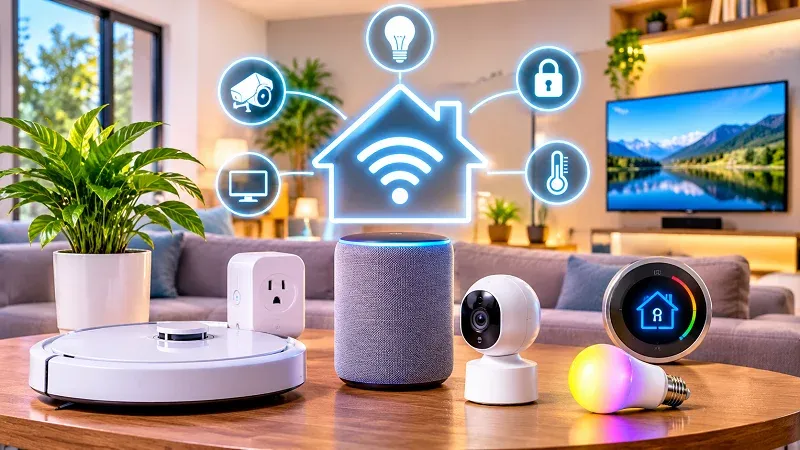
Modern homes are becoming smarter, more comfortable, and easier to manage with the help of technology. From intelligent lighting and automated security systems to energy-efficient appliances, home devices are changing the way people interact with their living spaces. Homeowners now have more opportunities to combine convenience, functionality, and attractive interior design through connected technology.
decoradtech home devices from decoratoradvice is a useful topic for anyone interested in exploring modern home technology and practical ways to improve everyday living. Smart devices can simplify household tasks, improve security, support energy management, and create a more comfortable environment. However, choosing the right equipment requires careful planning. Understanding how different devices work can help homeowners make better decisions without spending money on unnecessary features.
What Are Smart Home Devices?
Smart home devices are electronic products that help automate or control different household functions. Many connect to the internet through Wi-Fi or Bluetooth, allowing users to manage them through mobile applications, voice assistants, or automated settings.
These products can perform simple tasks, such as switching lights on and off, or more advanced functions, such as monitoring home security and adjusting indoor temperatures.
Common Examples of Smart Home Technology
Some popular categories include:
- Smart lighting: Connected bulbs and switches that allow users to control brightness, colors, and schedules.
- Smart thermostats: Devices that help manage heating and cooling settings.
- Smart security cameras: Cameras that allow homeowners to monitor entrances and selected areas.
- Smart doorbells: Devices that provide visitors’ video and audio notifications.
- Smart plugs: Accessories that allow compatible electrical appliances to be controlled remotely.
- Smart speakers: Voice-controlled devices that can perform tasks and connect with other smart products.
Each category serves a different purpose, so homeowners should consider their daily requirements before purchasing anything.
How Decoradtech Home Devices from DecoratorAdvice Support Modern Homes
Modern technology is most useful when it solves real household problems. Smart home equipment can make everyday activities more convenient while helping homeowners organize their spaces more effectively.
1. Improving Everyday Convenience
One major advantage of connected home devices is convenience. Instead of manually operating every appliance, users can control compatible equipment through a smartphone or voice assistant.
For example, smart bulbs can follow scheduled lighting routines, while smart plugs can switch compatible devices on or off remotely. These small improvements can make daily household management easier.
2. Creating a More Secure Environment
Home security is another important reason people explore smart technology. Connected cameras, motion sensors, and video doorbells provide additional ways to monitor residential spaces.
Some systems send notifications when they detect movement or when someone presses the doorbell. Homeowners can review alerts and check available camera footage through their applications.
However, smart security equipment should support traditional safety practices rather than replace them. Strong passwords, secure networks, and appropriate physical security remain important.
3. Supporting Energy Management
Energy-efficient technology can help households understand and manage electricity consumption. Smart thermostats, compatible plugs, and automated lighting systems allow users to control certain devices more carefully.
For example, homeowners can create schedules that switch off unnecessary lighting when rooms are not being used. A smart thermostat may also help maintain comfortable temperature settings without requiring constant manual adjustments.
Actual savings depend on the equipment, household habits, electricity rates, and local climate.
Choosing the Right Smart Devices for Your Home
Buying smart technology without a clear plan can create unnecessary expenses. A better approach is to identify household needs and select products that offer practical benefits.
Consider Your Main Requirements
Start by identifying the areas where technology could make the biggest difference.
If security is your priority, consider cameras, sensors, and smart doorbells. If convenience matters more, connected lighting and smart plugs may be useful starting points.
Homeowners who want better temperature control can investigate compatible thermostats and heating controls.
Check Device Compatibility
Compatibility is an important consideration when building a connected home. Not every product works with every smartphone, voice assistant, or smart home platform.
Before purchasing, check:
- Supported Wi-Fi frequency and connectivity requirements.
- Compatibility with existing smart home systems.
- Mobile application availability.
- Voice assistant support.
- Operating system requirements.
- Whether a separate hub is necessary.
Checking these details beforehand can prevent installation difficulties and compatibility problems.
Smart Home Devices That Combine Technology and Interior Design
Technology should improve a home’s functionality without making its interior feel crowded. Fortunately, many modern devices feature simple shapes, neutral finishes, and compact designs.
Smart Lighting for Better Room Ambience
Lighting has an important influence on the appearance and atmosphere of a room. Smart bulbs allow users to adjust brightness and, depending on the model, color temperature or color.
Warm lighting can create a relaxing atmosphere in bedrooms and living rooms, while brighter lighting may be more suitable for workspaces and kitchens.
Homeowners should also consider the appearance of switches, lamps, and fixtures when introducing connected lighting.
Smart Speakers and Entertainment Areas
Smart speakers can provide music playback, voice assistance, and control of compatible household devices. Their compact designs make them suitable for different spaces.
A speaker placed in a living room can support entertainment, while a smaller device in a kitchen may help users manage timers or access information while preparing meals.
Automated Window Coverings
Motorized blinds and curtains offer another way to introduce technology into interior design. Depending on the system, users can operate them through remote controls, applications, or scheduled routines.
They can be particularly useful for windows that are difficult to reach. However, homeowners should check window measurements, power requirements, and installation compatibility before purchasing.
Decoradtech Home Devices from DecoratorAdvice: Benefits and Challenges
Smart technology offers several advantages, but understanding its limitations is equally important.
Major Benefits
Greater convenience: Automated routines reduce the need to operate certain household devices manually.
Improved monitoring: Connected cameras and sensors provide additional information about selected areas of a property.
Flexible control: Many devices can be managed remotely through compatible applications.
Personalized settings: Users can create routines based on their schedules and preferences.
Better organization: Connected systems can bring different household functions together through a compatible platform.
Potential Challenges
Despite these benefits, smart home technology can introduce some difficulties.
Initial costs: Purchasing multiple devices can become expensive, especially when additional accessories or hubs are required.
Internet dependency: Certain features may stop working when the internet connection becomes unavailable.
Privacy concerns: Connected cameras, microphones, and applications may collect personal information.
Technical issues: Software updates, compatibility problems, and connectivity interruptions can affect performance.
Homeowners should review privacy policies, enable available security features, and purchase equipment from reputable manufacturers.
Practical Tips for Setting Up a Smart Home
A successful smart home does not require dozens of connected products. Starting with a few useful devices is often more manageable.
Begin With One Room
Choose a room where smart technology can provide an immediate benefit. A living room might be a suitable starting point because it can use connected lighting, speakers, or entertainment equipment.
Once everything works properly, consider expanding the system to other rooms.
Secure Your Home Network
Use a strong and unique Wi-Fi password. Change default device passwords and install security updates when manufacturers release them.
Enable two-factor authentication when supported. These precautions help reduce the risk of unauthorized access.
Create Useful Automation Routines
Automation works best when it supports existing habits. For example, a morning routine might gradually turn on compatible lights, while an evening schedule could switch off selected devices.
Avoid creating complicated routines that are difficult to manage or do not provide meaningful benefits.
Compare Products Before Buying
Read product specifications, customer feedback, warranty conditions, and installation instructions. Pay attention to long-term support because connected devices depend on software and application compatibility.
Choose products based on reliability and usefulness rather than appearance or marketing claims alone.
The Future of Smart Home Technology
Smart home technology continues to develop as manufacturers introduce improved connectivity, automation, and energy management features.
Artificial intelligence may help connected systems understand household patterns and provide more responsive automation. Interoperability standards such as Matter are also designed to improve communication between compatible devices from different manufacturers.
Future products may offer better integration between lighting, security, appliances, and climate controls. Nevertheless, practical considerations such as affordability, privacy, accessibility, and compatibility will remain important.
Homeowners should focus on technology that provides clear everyday value instead of purchasing every new product simply because it is available.
Conclusion
Smart home technology provides practical opportunities to improve convenience, security, energy management, and interior design. From connected lighting and smart speakers to security cameras and automated window coverings, different products can serve different household needs.
Exploring decoradtech home devices from decoratoradvice can help readers understand the possibilities of modern home technology and make more informed purchasing decisions. The best approach is to start with essential devices, check compatibility, protect personal information, and expand gradually.
A thoughtfully designed smart home does not need complicated equipment or expensive installations. The right combination of reliable devices and useful automation can create a comfortable, functional, and more manageable living environment.